Revenue Systems vs Marketing Campaigns: Why One Compounds and the Other Expires
Campaigns end. Systems compound. The structural difference between businesses that grow predictably and businesses that buy growth one month at a time.

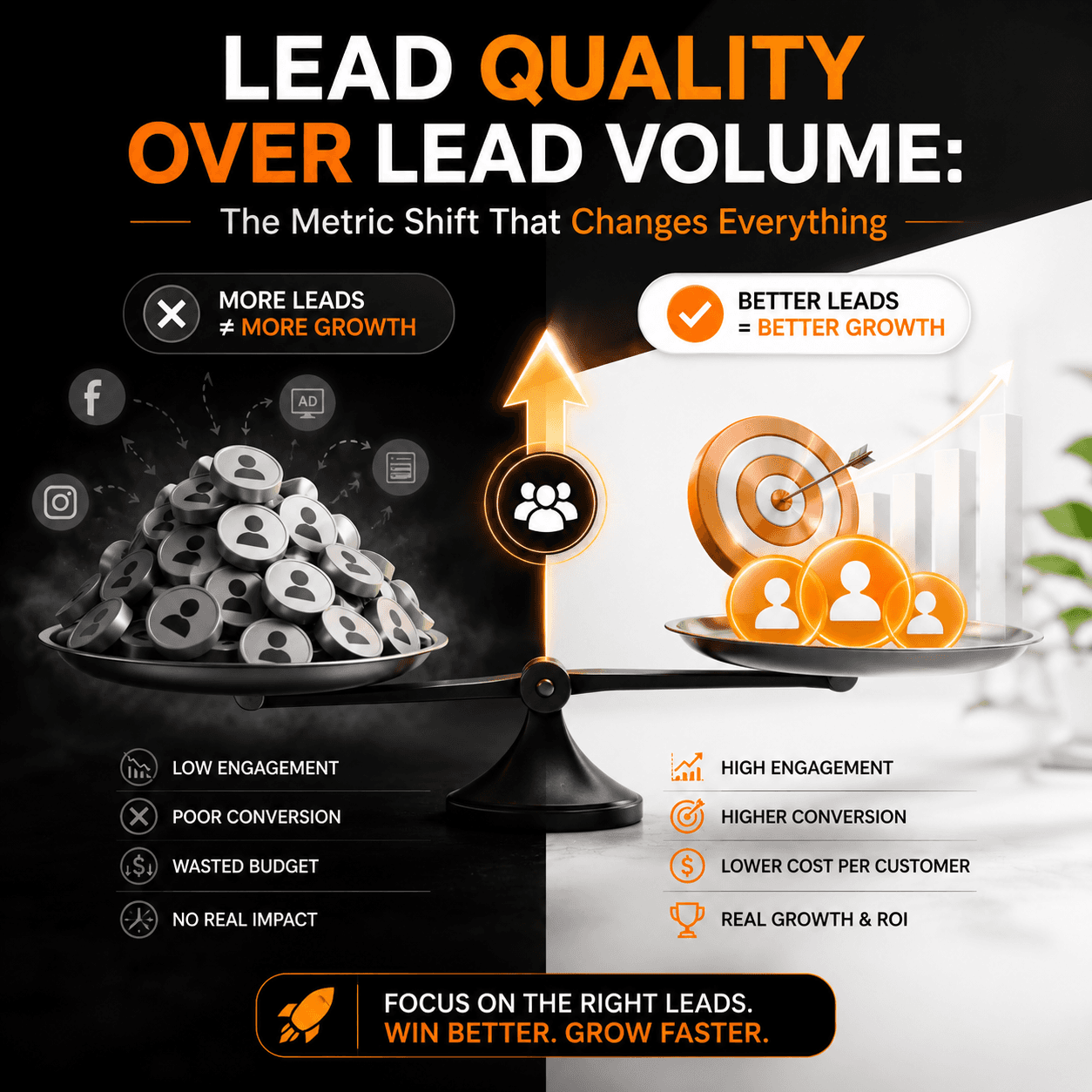
Most businesses I meet do not have a marketing problem. They have a structure problem that shows up as a marketing problem. Spend goes in, leads come out, and when the spend stops, everything stops with it. Nothing that was built last quarter makes this quarter cheaper.
That is the difference between a campaign and a system. A campaign is a purchase. A system is an asset. Both can produce revenue this month; only one of them produces it more cheaply next month.
What actually separates the two
The distinction is not budget size or channel choice. I have seen ₹50,000-a-month accounts that behave like systems and ₹50-lakh accounts that behave like a series of disconnected campaigns. What separates them is whether each month's work leaves behind something the next month can use.
- A campaign optimises for the period. It is judged on the spend and return inside a date range. When the range closes, the learning usually closes with it.
- A system optimises for the next period. Every month it hands forward cleaner data, a better-qualified audience, sharper creative, and a shorter path from click to cash.
- A campaign's cost is flat or rising. You pay the same auction price to reach the same stranger, forever.
- A system's cost curve bends down. Retargeting pools grow, the CRM learns which leads close, and organic and email start absorbing demand that used to cost money.
The four layers a revenue system needs
When I audit an account, I am not really looking at the ads. I am looking for which of these four layers is missing, because growth stalls at the weakest one — not the loudest one.
1. Strategy: the offer and who it is for
No amount of media buying fixes an offer that a buyer does not want at the price you are asking. Before I touch a campaign I want one sentence: who is this for, what changes for them, and why you rather than the alternative. If that sentence is vague, the ads will be vague and the auction will charge you for the vagueness.
2. Acquisition: paid, organic, and the overlap
This is the layer everyone treats as the whole job. It is one quarter of it. Its real function in a system is not to generate leads — it is to generate qualified, attributable leads that the next two layers can act on.
3. Tracking: knowing what actually happened
This is where most businesses are quietly broken. If your platform reports 200 conversions and your CRM shows 40 real conversations, you are optimising toward a number that does not exist. Every bid strategy, every budget decision, every creative test downstream of bad tracking is a guess wearing a suit.
4. Conversion: what happens after the lead arrives
A lead that waits nine hours for a first response is a different asset from one contacted in five minutes. The follow-up sequence, the routing rules, the reminder before the call — these are marketing, even though nobody in marketing owns them. They are also the parts that compound fastest, because they cost nothing per additional lead.
How to tell which one you have
Ask four questions. Honest answers take about ten minutes and tell you more than a month of reporting.
- 1If you paused all paid spend for 30 days, how much revenue would still arrive? If the answer is close to zero, you have campaigns.
- 2Is your cost per qualified lead lower than it was six months ago? If it is flat, nothing is compounding.
- 3Can you name your close rate by source? If not, you are optimising volume, not revenue.
- 4What did last quarter build that this quarter inherits? If the honest answer is 'nothing', that is the finding.
The uncomfortable part
Systems are slower to show results. A campaign can show a return in week one. A system often looks worse in month one, because you spend it fixing tracking, rewriting the offer, and building follow-up that nobody sees. Month four is where the two lines cross, and month twelve is where the gap stops being an argument.
You can rent demand or you can build the machine that captures it. Renting is faster. Building is cheaper every month after the first.
If you are choosing between the two, the deciding question is not which produces more revenue this quarter. It is how many more quarters you intend to be in business.

Sushant Rana
Business Growth Consultant. 8+ years building revenue systems across India, the USA, Canada and Australia.